The current BSIP funding comes to an end on February1st 2026. This means a number of popular fare reductions will end on the same date. Find out what this means.
What is BSIP funding
BSIP funding, or Bus Service Improvement Plan funding, is money that the UK government awards to local authorities which they must use to enhance local bus services with improvements to infrastructure and/or fare reductions.
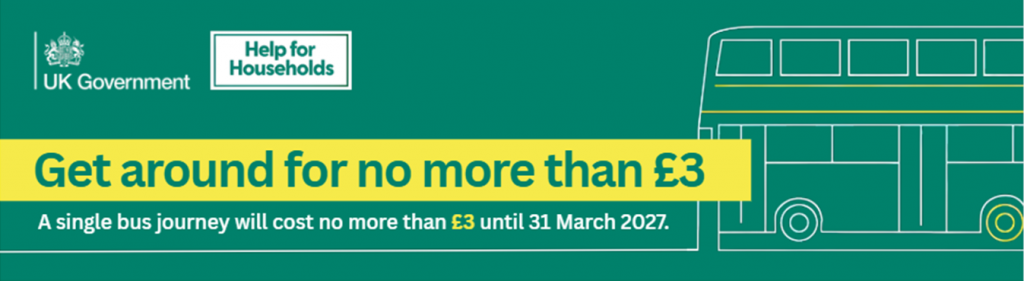
BSIP funding is in addition to the central government funding which covers the £3 fare cap. The £3 fare cap will continue until March 2027 for the majority of services. See below for exceptions.
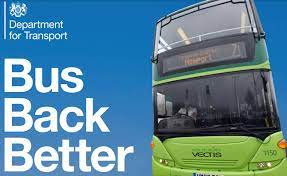
Bus Back Better – 2021 UK government strategy to improve bus services, which included BSIP funding.
What has ESCC used BSIP funding for?
Since August 2022, ESCC has used BSIP funding to improve access to bus services and the experience of bus users in the following ways:
Providing scannable QR plates at every bus stop, for easy access to live bus times.
Installing traffic light priority at 29 junctions to help support reliable journeys.
Installing over 100 new real time information boards to help you on your journey
Upgrading bus stop infrastructure, including high quality bus shelters and improvements at Uckfield Bus Station and Hailsham High Street.
introducing Flexibus, an on-demand bus service covering over 90% of the county, now providing over 800 journeys a week.
Subsidising additional fare reductions to make travel more affordable. These include £1 and £2 fares and reduced youth fares.
BSIP fare reductions that are ending
ESCC chose to introduce the £1 and £2 fares to reduce the cost of shorter journeys, when the national fare cap rose from £2 to £3. The ESCC subsidies meant that:
Fares that actually cost between £1 and £2 were reduced to £1
Fares that actually cost between £2 and £3 were reduced to £2
With the BSIP funding removed, fares under £3 will go back to the operators’ fare. Many fares will still be under £3 for most services as the funding for the national £3 fare cap will stay until March 2027.
The Freedom Weekly Ticket provides unlimited travel for under 19s on all bus services in East Sussex. From, Monday 16th February (half term), the cost will rise from £15 to £20 for seven days.
The East Sussex multi operator day rider ticket will no longer be available. This ticket allows you to travel with a number of different bus operators within East Sussex, using just one ticket (£6.10 for adults aged 30 or over, £4.75 for those aged 19-29 and £3.75 for under 19s.) This ticket was particularly helpful in the Eastbourne area as we have four main operators. If we want a day ticket in future, we will have to choose, and stick to, one bus operator for that day, or purchase a South Downs Discovery ticket (£10 for adult, £8 for child, £20 for family)
There are of course other fare subsidies that are still available, including free bus travel for older and disabled people.
Bus operators will continue to provide discounted fare options. See further info:
There is a maximum fare of £3 that applies to most bus services across East Sussex which will continue until March 2027. There are a few bus services that are not included. You can find out which bus services in East Sussex don’t have a £3 maximum fare here. The information is provided by the Department for Transport. We cannot guarantee that is is up-to-date.
This website uses cookies to improve your experience. We'll assume you're ok with this, but you can opt-out if you wish. Cookie settingsACCEPT
Privacy & Cookies Policy
Privacy Overview
This website uses cookies to improve your experience while you navigate through the website. Out of these cookies, the cookies that are categorized as necessary are stored on your browser as they are essential for the working of basic functionalities of the website. We also use third-party cookies that help us analyze and understand how you use this website. These cookies will be stored in your browser only with your consent. You also have the option to opt-out of these cookies. But opting out of some of these cookies may have an effect on your browsing experience.
Necessary cookies are absolutely essential for the website to function properly. This category only includes cookies that ensures basic functionalities and security features of the website. These cookies do not store any personal information.
Any cookies that may not be particularly necessary for the website to function and is used specifically to collect user personal data via analytics, ads, other embedded contents are termed as non-necessary cookies. It is mandatory to procure user consent prior to running these cookies on your website.